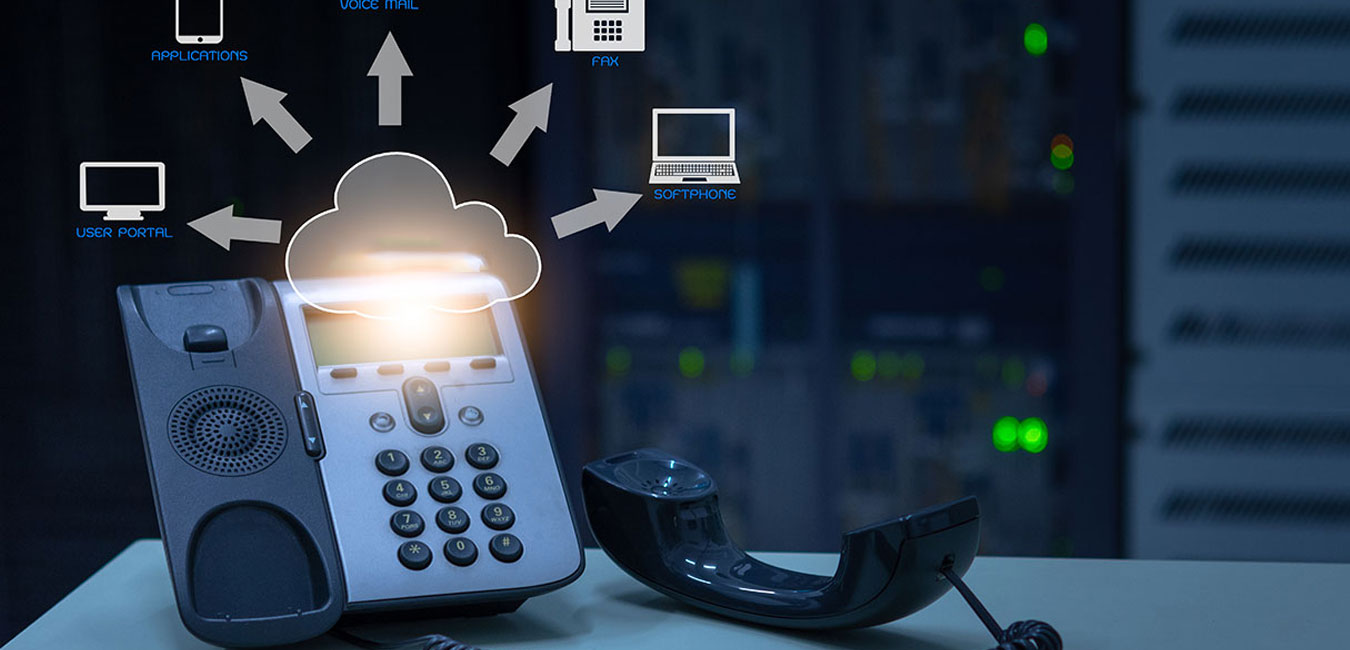
EPBX and IPBX | Accelerate Business with Intelligent Networking
Both EPBX and IPBX are types of private branch exchange (PBX) systems that businesses use for managing internal and external voice communications. They handle routing, call management, and phone system functionalities for a company's communication network.
- EPBX (Electronic PBX): A traditional PBX system that uses analog or digital telephone technology.
- IPBX (Internet Protocol PBX): A more modern system that uses Voice over IP (VoIP) technology over a company’s IP network.
These systems help businesses manage internal calls between departments, external calls to clients or partners, and integrate with other communication tools.
EPBX (Electronic PBX) in Business
EPBX systems are traditional phone systems that rely on analog or digital telephone lines and circuit-switching technology for voice communication.
Key Features of EPBX:- Call Routing: Routes internal and external calls within a business.
- Call Holding & Transfer: Allows users to hold, forward, and transfer calls seamlessly.
- Voicemail: Allows users to leave messages if the recipient is unavailable.
- Conference Calling: Facilitates multi-party conference calls for collaboration.
- Call Forwarding: Routes incoming calls to different numbers as required.
- Call Queuing: Manages incoming calls during peak hours to ensure efficient handling.
- Integration with Landlines: Works with traditional analog phone lines.
When Businesses Use EPBX?
Businesses use EPBX when they operate on traditional telephone networks and rely on analog phone systems.
Common Scenarios:- Small businesses with basic phone needs.
- Industries with limited internet infrastructure that still rely on analog/digital telephone networks.
- Companies in rural areas where VoIP infrastructure may be unavailable or unreliable.
IPBX (Internet Protocol PBX) in Business
IPBX uses VoIP (Voice over IP) technology, allowing voice communications to travel over IP networks, such as LANs, WANs, or the internet, instead of traditional analog/digital phone lines.
Key Features of IPBX:- VoIP Integration: Handles voice calls over IP networks, reducing costs by using internet-based communication.
- Unified Communications: Allows integration of voice, video, messaging, and collaboration tools into a single platform.
- Remote Access: Enables employees to make and receive calls from any location with an internet connection.
- Scalability: Easily scalable for growing business needs without requiring new hardware.
- Advanced Features Includes call recording, integration with CRM tools, call analytics, and advanced call management features.
- Cost Efficiency Reduces long-distance call costs by using internet-based communication.
- Integration with Cloud Services Works with cloud-based platforms for modern, flexible communication.
When Businesses Use IPBX?
IPBX is suitable for businesses prioritizing flexibility, scalability, and cost savings, particularly when they rely on high-speed internet connections.
Common Scenarios- Medium to large enterprises looking for VoIP solutions.
- Remote work environments where employees need cloud-enabled communications.
- Businesses operating with cloud services or multi-location offices.
- Companies with a focus on collaboration and unified communication features.
EPBX vs. IPBX: Key Differences
| Aspect | EPBX (Electronic PBX) | IPBX (Internet Protocol PBX) |
|---|---|---|
| Technology | Analog or digital telephone systems. | VoIP (Voice over IP) using internet technology |
| Cost | Higher costs for long-distance calls. | Lower costs for local and long-distance calls. |
| Features | Basic features like call forwarding and voicemail. | Advanced features like unified communications, CRM integration, and call recording. |
| Scalability | Requires additional hardware to scale up. | Easily scalable using software solutions. |
| Remote Accessibility | Limited. Requires hardware setups at fixed locations. | High; employees can work remotely with VoIP access. |
| Maintenance | Requires dedicated hardware maintenance. | Reduced maintenance needs with cloud-based updates. |
| Deployment | Physical hardware connected to telephone networks. | Often cloud-based or integrated with local IT infrastructure. |
| Integration | Limited integration options. | Integrates with CRMs, cloud services, and third-party software. |
Benefits of EPBX for Business
- Simplicity EPBX systems are straightforward and operate with traditional phone systems.
- Security in Legacy Infrastructure Ideal for companies that rely on traditional phone networks without requiring internet connectivity.
- Ease of Use Employees accustomed to traditional phone systems can transition with minimal learning.
Benefits of IPBX for Business
- Cost Savings Reduces communication costs, especially for international and long-distance calls.
- Flexibility & Mobility Employees can access their VoIP systems from any location with internet access.
- Unified Communication Tools Combines voice, messaging, video conferencing, and collaboration in one platform.
- Scalability Easily expands as the business grows without the need for additional physical hardware.
- Remote Work Capabilities Facilitates remote and hybrid work by allowing employees to connect to the system securely.
- Advanced Analytics Offers data insights into call usage, call center performance, and operational efficiency.
How Businesses Leverage EPBX or IPBX
-
Call Center Operations
- Both EPBX and IPBX are widely used for routing customer service calls and managing high volumes of communication in contact centers.
- IPBX integrates advanced features like real-time analytics, CRM access, and call recording.
-
Remote Work Environments
- IPBX supports businesses with remote workers by allowing access to calls and communication tools from any location with an internet connection.
-
Multi-Branch Communication
- Companies with branch offices benefit from IPBX’s ability to route calls over internet connections, ensuring low-cost and efficient communication between locations.
-
Unified Communications Implementation
- Many organizations use IPBX for unified communications, combining VoIP, video conferencing, messaging, and collaboration tools into one system.
-
Cost Reduction
- Businesses looking to reduce long-distance costs can switch from traditional EPBX systems to IPBX solutions, which use internet-based communication.
Conclusion
Both EPBX and IPBX serve as critical communication tools for businesses. The choice between the two depends on business needs, technology infrastructure, goals, and budget:
- EPBX: Suitable for smaller businesses or businesses reliant on analog and digital phone technologies.
- IPBX: Ideal for modern enterprises seeking cost savings, scalability, remote work capabilities, and advanced features enabled by VoIP technology.
Modern businesses are increasingly adopting IPBX solutions as they align better with remote work, cloud integration, and the modern digital workplace environment. However, EPBX systems are still in use in many legacy industries or environments where internet infrastructure is limited.